
By Automotive Research TeamUpdated 2026-09-22
Why Are Red Cars More Expensive to Insure
Why are red cars more expensive to insure? In most U.S. quotes, they are not. Insurers price the driver and the vehicle identity coded in the VIN, not the paint chip the dealer hung on the wall. State Farm states that color itself is not a rating factor, and that a red minivan can cost the same to insure as a beige one of the same make and model. This page is general educational information for United States drivers. It is not a personalized insurance quote, and it does not promise that any carrier will price your car a certain way. Rating rules and allowed underwriting factors vary by state and by company.
If a salesperson or a friend warns you to skip red, pause. Ask what changed on the quote sheet: the trim, the engine, the annual miles, the ZIP code where the car will be garaged, or the coverage stack. Those levers move money. Paint does not, on a standard factory color.
Why Do Red Cars Have Higher Insurance
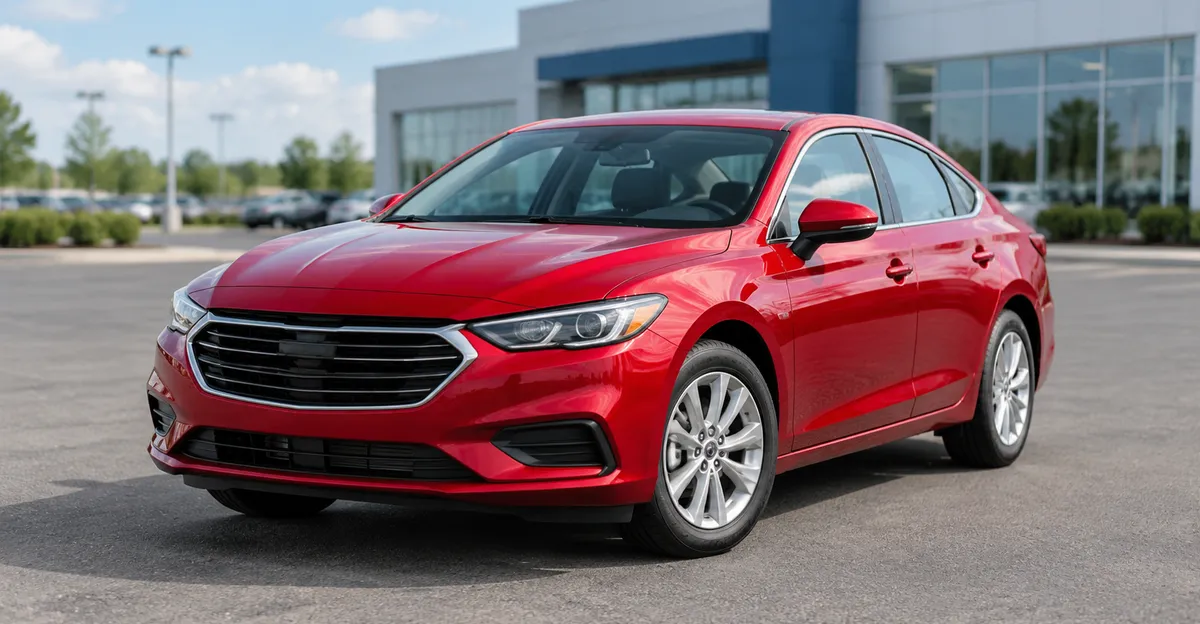
Why do red cars have higher insurance in the stories people tell? The short answer is confusion with sports cars. State Farm calls this the sports-car effect: a red Ferrari or Corvette may carry a high premium because of a high-performance engine, a high vehicle value, and costly repairs. Drivers then blame the paint. MoneyGeek makes the same comparison in reverse: a red Corvette and a black Corvette of the same trim cost the same to insure. Color drops out of the math.
The rumor also mixes tickets and theft. An Insure.com survey cited by Car and Driver found that nearly half of licensed drivers believed red vehicles were more expensive to insure because they thought red cars were pulled over more often. That belief is about policing folklore, not about how actuarial models work. Insurers pull a motor vehicle record for the driver. They do not add a surcharge because the body is cherry red.
Experian, summarizing the Insurance Information Institute, says color plays no role in determining premiums and that even a bright red car does not cost more to insure than a white or gray one of comparable type. When people search why do red cars have higher insurance, what they usually need is a way to separate the car’s performance class from the paint name on the window sticker.
| What you heard | What usually drives the premium | First check |
|---|---|---|
| Red paint raises rates | Make, model, trim, engine size, repair cost | Quote the same VIN family in two colors |
| Red cars get more tickets | Driver MVR and claims history | Ask which violations appear on your report |
| Red cars attract thieves | Theft frequency by make and model, garaging ZIP | Ask about comprehensive and anti-theft discounts |
| Custom “race red” looks expensive | Custom parts and equipment repair value | Disclose wraps or specialty paint to the agent |
Why Is Insurance Higher on Red Cars When the Quote Looks Wrong
Why is insurance higher on red cars in a real shopping session? Usually something else moved. Dealers often load a sport package, larger wheels, or a turbo engine onto the red cars sitting on the front row. Those option codes live in the VIN and change expected claim cost. Location changes the quote too. The Insurance Information Institute has long listed make, model, body type, engine size, sticker price, repair cost, safety record, and theft likelihood among pricing factors, and it has listed color among the myths.
When two friends compare premiums, they rarely hold every variable equal. One may have a higher deductible. One may carry only liability while the other carries collision and comprehensive because a lender requires full coverage. One may live in a dense ZIP code with higher theft and crash frequency. One may be under 25. Experian notes that younger drivers face higher rates and that mileage above a carrier’s average benchmark can raise price. None of those facts require a red paint code.
If your quote for a red sedan is higher than a silver one on the same lot, freeze the quote inputs. Use the same coverage limits, the same deductibles, the same annual mileage, the same garaging address, and the same drivers. Then change only the VIN that belongs to each car. If the premiums match, the color story collapses. If they still differ, read the option list: one VIN may include a performance package or different safety hardware.
What Insurers Actually Rate Instead of Paint
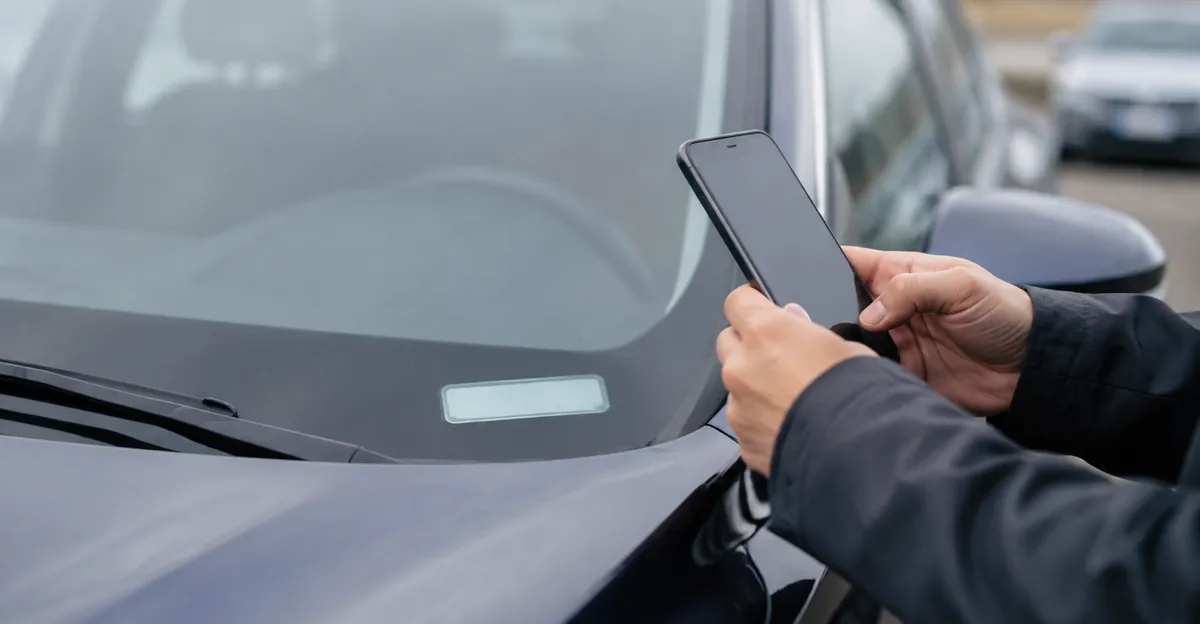
Why are red cars more expensive on insurance in online forums? Forum posts often skip what the carrier actually asked for. Standard applications ask for the VIN, the garaging ZIP, the drivers, the coverages, and how the car is used. They do not ask you to pick “red” from a drop-down as a rating factor. State Farm explains that the VIN carries engine size, body style, safety features, and transmission type, and that it does not include paint color.
Here is the practical list most U.S. consumers will see reflected in a premium, drawn from the factors Experian and MoneyGeek summarize for shoppers:
- Driving and claims history. At-fault crashes, serious violations, and recent claims raise expected loss. How long a mark stays on a record depends on your state and your carrier.
- Vehicle make, model, trim, and repair cost. Expensive parts, complex sensors behind a bumper, and high theft rates all matter more than a factory paint name.
- Garaging location. Urban ZIP codes often price higher than rural ones because of crash density, vandalism, and theft patterns.
- Age and experience. Drivers under 25 commonly pay more until a longer clean record accumulates.
- Mileage and use. Commuting miles, rideshare, or delivery can change eligibility and price. State Farm notes that personal auto policies often exclude rideshare without an endorsement.
- Coverage stack and deductibles. Liability-only costs less than adding collision and comprehensive. Higher deductibles usually lower the premium if you can fund the out-of-pocket share.
- Credit-based insurance score where allowed. MoneyGeek notes that some states ban the use of credit in auto pricing; rules differ, so never treat a neighbor’s rate as your rate.
None of those rows is “paint color.” That is the core answer to why are red cars more expensive on insurance as a search phrase: the search assumes a color surcharge that standard rating does not use.
Why red cars are more expensive to insure in sports-car trims
Why red cars are more expensive to insure when the car is a coupe with a large engine is a different sentence from “red paint costs more.” Performance cars file more severe claims on average, and their parts cost more after a crash that damages lights, body panels, or wheels. Marketing photos of sports cars often show red paint, so the color becomes a stand-in for the class. A family crossover in red does not inherit that class risk just because the paint matches a poster.
Before you buy, ask the insurer for a quote on the exact VIN of the car you will drive off the lot. Do not rely on a color-only thought experiment. If you are comparing two used cars of the same model year, match the trim codes, not only the exterior shade.
Custom Paint, Wraps, and When Color-Adjacent Work Does Matter
Factory red is not the same as a boutique respray. MoneyGeek’s exception is custom paint: specialty finishes raise expected repair cost, and carriers may handle that through a custom parts and equipment endorsement. Progressive’s public materials, as summarized by MoneyGeek, describe CPE coverage with a dollar cap that may not cover an elaborate build. State Farm separately advises telling an agent about a custom paint job or other modifications because those changes can affect vehicle value or coverage needs.
Vinyl wraps sit in a gray area for many shoppers. A wrap is not a VIN paint code. It can still change what it costs to restore the car after a scrape. Disclose a wrap or a full custom respray when you apply or renew. If you file a claim without prior disclosure, the carrier may limit payment to the pre-modification value. That outcome is about undeclared equipment value, not about “red” as a forbidden color.
Matte finishes, multi-stage pearls, and rare factory special-order paints can also complicate a body-shop estimate after a bumper hit. The shop may need more blend time to match panels. That can raise a repair invoice on a claim. It still does not mean the insurer added a monthly red-car surcharge when the policy was written. Ask the adjuster and the shop what is driving the estimate: labor hours, paint materials, or sensors that must be recalibrated.
How to Compare Quotes Before You Sign at the Dealer
Competitor pages often stop at “buy the color you want.” The next decision is how to prove the quote is fair before you commit to a payment schedule.
Bring three numbers to every quote call or online form: the VIN, the ZIP where the car will sleep overnight, and the coverages you actually want. Keep the coverage limits identical across carriers. Experian recommends comparing like with like when you shop providers. A cheap quote that silently drops rental reimbursement or uninsured-motorist coverage is not a win.
If the dealer’s F&I desk claims red will raise insurance, ask them to show the rating factor on a written quote. If they cannot, treat the claim as sales talk. Generate your own quotes from two or three carriers while you sit in the waiting room. Use the VIN of the red car and, if available, the VIN of the same trim in another color. Screenshot or save the quote IDs. Those files are better evidence than a hallway rumor.
Watch for financing pressure. A lender that requires collision and comprehensive will raise the monthly insurance bill compared with a paid-off car on liability-only. That jump can land on the same day you choose a red paint code, which makes the color look guilty. Separate the lender’s requirement from the paint decision before you renegotiate the deal.
Also ask whether the car will be used for rideshare, delivery, or business. State Farm warns that personal policies often exclude commercial use and that a coverage gap can exist when a rideshare app is on but no passenger is yet in the car. An endorsement or a commercial policy is a real cost. Paint is not.
What to Ask Your Agent When the Red-Car Myth Comes Up
Use a short script. You are not arguing about folklore. You are confirming rating inputs.
- “Is paint color a rating factor on this policy, or only the VIN and the drivers?”
- “Which coverages and deductibles are in this quote, and what changes if I raise the collision deductible?”
- “Does this ZIP code price theft and crash risk higher than the ZIP I used for my current car?”
- “Are there discounts for anti-theft devices, airbags, or advanced driver-assistance features on this VIN?”
- “Do I need to schedule any custom paint, wrap, or aftermarket parts?”
Write the answers down. If the agent says color matters, ask for the company rule in writing. Major consumer explainers from State Farm, Experian, and MoneyGeek all state that standard color is not used. An outlier carrier would need a clear disclosure, not a shrug.
If you already own a red car and your renewal jumped, do not start with a paint job. Ask whether a claim, a ticket, a mileage change, a credit-based score shift where allowed, or a territory change drove the increase. Experian notes that rate increases after an at-fault accident often appear at renewal and can take years to ease. A new color will not erase that history.
How to Lower Costs Without Changing Color
Switching from red to silver will not, by itself, cut a premium when color is not rated. Experian lists practical levers that do move price: raise deductibles if you can fund them, drop coverages you no longer need on an older paid-off car, confirm every discount you qualify for, ask about usage-based or low-mileage programs, and shop multiple carriers with identical coverage assumptions. The Insurance Information Institute has also long advised checking insurance costs before you buy a car, because make and model matter.
Safety and theft features still help. Daytime running lights, alarms, tracking devices, and strong crash ratings can support discounts at some carriers. Those features attach to the vehicle’s equipment list, not to whether the body is crimson. After a crash repair, keep invoices for paint work on panels near the bumper or lights so you can explain a higher repair bill without confusing it for a color surcharge on the policy.
Credit improvement can matter in states that allow credit-based insurance scores. MoneyGeek lists several states that ban that factor; if you live in a ban state, focus on record, mileage, and vehicle choice instead. Always verify your state’s current rules with your agent or your state insurance department. Do not invent a nationwide rule from one article.
Finally, keep the car’s use honest on the application. Misstating mileage or omitting a household driver can create claim trouble that costs far more than any imagined red-paint penalty. Accuracy is cheaper than a denied claim.

When a Higher Premium on a Red Car Is Still Real
A real premium difference can sit on a red car without color being the cause. Examples:
- The red unit on the lot is a higher trim with a bigger engine.
- The red unit has larger aftermarket wheels that raise theft or repair cost if undeclared.
- The buyer is younger, has a recent ticket, or needs SR-22 filings after a serious offense.
- The garaging address changed to a denser ZIP.
- The lender forced full coverage on a financed purchase.
- The policy includes rideshare or business use that the last policy excluded.
Walk those items before you pay for a respray to “save on insurance.” A respray that becomes a custom job can raise expected claim cost if you insure the new finish properly. That would move you in the wrong direction.
If you are replacing a car after a total loss, compare the settlement and any GAP coverage questions with your lender before you fixate on paint. State Farm notes that “full coverage” is a phrase, not a guarantee that every gap is closed, and that GAP and rental reimbursement are easy to miss. Those gaps are financial. They are not color myths.
FAQ
Why red car is more expensive to insure
Usually it is not. State Farm notes that paint color is not pulled from the VIN and is generally not used to set the rate. A red sports car that costs more to insure is priced for engine size, vehicle value, and repair cost, not for being red. Compare quotes on the same make, model, trim, and ZIP code before you blame the paint.
Why is insurance for red cars higher
When a red car's premium looks high, insurers are usually rating the driver and the vehicle, not the color. Experian, citing the Insurance Information Institute, treats the red-car premium myth as false and points to make, model, age, sales price, and repair cost instead. Ask the agent which factors moved the quote: coverage limits, deductible, annual miles, claims history, or a performance trim.
Why is the insurance higher for a red car
A higher quote on a red car almost always tracks a different risk package. MoneyGeek reports that major U.S. insurers do not use color as a rating factor, and that a red Corvette and a black Corvette of the same trim price the same. If your quote jumped after you switched paint on the lot, check whether the VIN, options package, or declared mileage also changed.
Bottom Line for U.S. Shoppers
Standard factory red does not, by itself, make auto insurance more expensive in the United States. State Farm, Experian citing the Insurance Information Institute, and MoneyGeek all treat the red-car surcharge as a myth and point to VIN-based vehicle risk, driver history, location, and coverage choices instead. Custom paint and undeclared modifications are the narrow exceptions that touch color-adjacent work through repair value. Compare equal quotes on equal VINs, ask your agent which factors moved the number, and buy the color you want once the real levers are set.
This page cannot replace a quote from a licensed agent or insurer in your state. Rules on credit scoring, rating territories, and required coverages change. Verify the numbers on your declarations page before you renew or before you drive a new car home.